Reservoir Wall Insulation

Wall Insulation in Reservoir

Expert Insulation Melbourne installs bulk and cavity wall insulation in Reservoir homes to stop winter heat loss and summer heat gain through external walls.

Book Wall Insulation

Share your details and Expert Insulation Melbourne will contact you about Wall Insulation in Reservoir.

Wall Insulation for Reservoir Homes

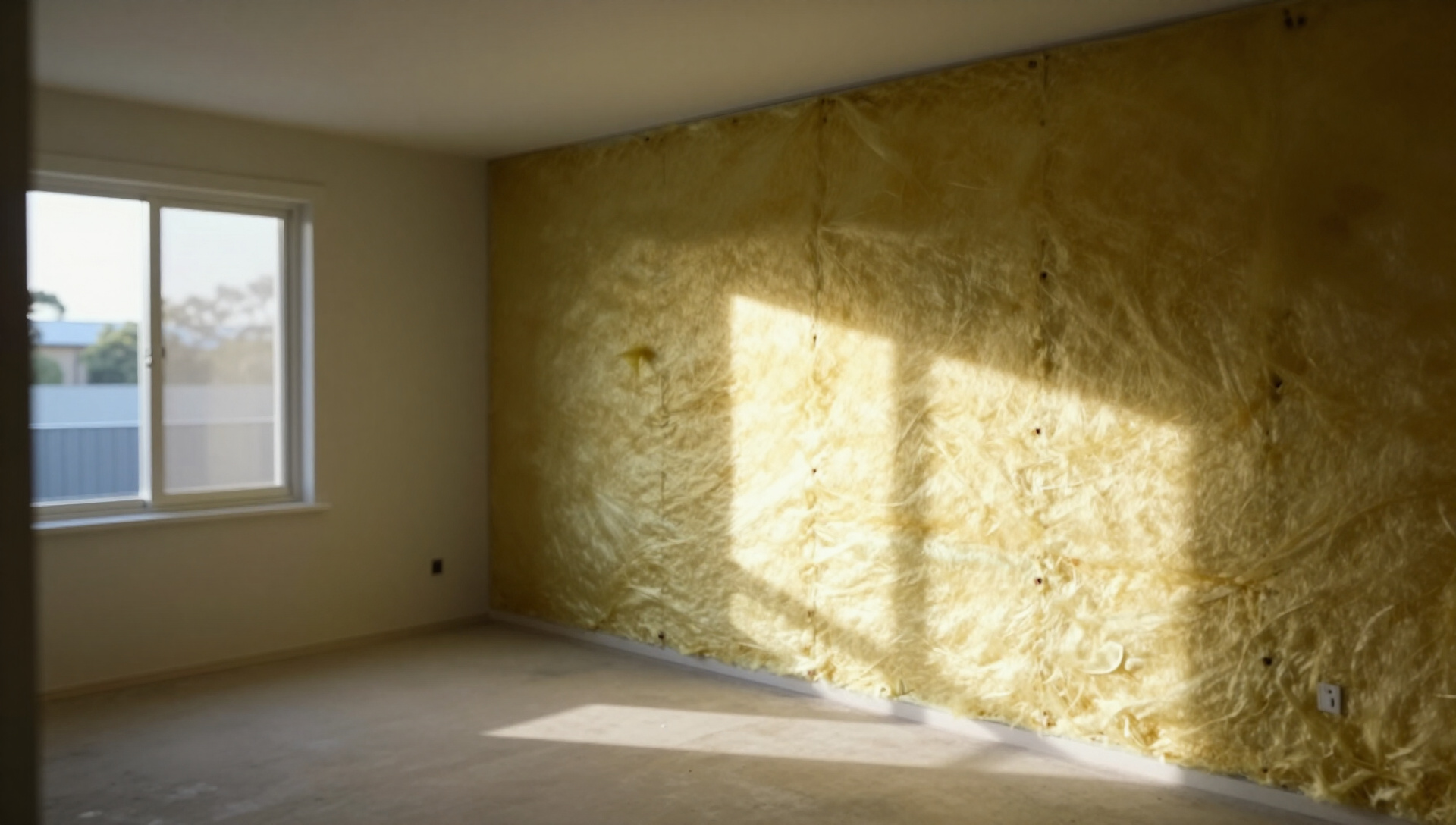
Wall insulation in Reservoir is fitted into the stud frames of external walls during renovations or new builds, or injected into existing brick veneer cavities. It slows heat transfer through walls, which are a major source of heat loss in winter and heat gain in summer. In Reservoir’s mix of older weatherboard homes and postwar brick veneer, proper wall insulation makes a noticeable difference to comfort and energy bills.

  • Bulk batts for open stud frames
  • Cavity fill for brick veneer walls
  • Acoustic batts for internal walls
  • Glasswool, polyester and rockwool options
Wall Insulation in Reservoir

Why Wall Insulation Matters in Reservoir

Reservoir’s cold winters and hot summers mean uninsulated walls let heat escape in winter and radiant heat enter in summer. Insulating external walls reduces the load on heating and cooling systems, cuts energy costs and improves year-round comfort.

Lower heating and cooling costs

Insulated walls reduce heat flow through the building envelope, so your heater and air conditioner run less often. This directly lowers energy bills, especially in older Reservoir homes with single-skin brick or weatherboard walls.

More consistent indoor temperatures

Bulk insulation in stud frames and cavity fill in brick veneer slows heat transfer, keeping living spaces warmer in winter and cooler in summer without temperature swings.

Reduced draughts and air leakage

Wall insulation seals gaps in the wall structure, cutting draughts that enter through cracks and around frames. This is particularly effective in weatherboard homes common in Reservoir.

Noise reduction between rooms

Acoustic batts fitted in internal wall cavities absorb sound, reducing noise transfer between rooms. This is useful in terraces and semi-detached homes where shared walls can carry sound.

Moisture and condensation control

Properly installed wall insulation with a vapour barrier helps manage moisture, reducing the risk of condensation inside walls that can lead to mould and structural damage.

Increased property value

Homes with wall insulation are more energy efficient and comfortable, which can be a selling point for buyers in Reservoir’s competitive property market.

How We Install Wall Insulation in Reservoir

Wall insulation installation depends on the wall type. For new builds or renovations with open stud frames, we fit bulk batts between the studs. For existing brick veneer walls, we inject insulation into the cavity through small holes that are patched afterwards.

1

Inspection and wall type assessment

We check your wall construction to confirm if it is timber framed, brick veneer or double brick. Cavity wall insulation is only suitable for brick veneer with a clear cavity and no moisture issues.

2

Preparation and access

For open stud frames, we ensure the cavity is clean and free of obstructions. For cavity fill, we drill small access holes in the mortar joints at regular intervals.

3

Installation of insulation

Bulk batts are cut to fit snugly between studs without gaps or compression. For cavity walls, we inject loose-fill or foam insulation into the cavity using specialist equipment.

4

Sealing and finishing

After cavity fill, we patch the access holes with matching mortar. For internal walls, we fit acoustic batts before the plasterboard goes up, ensuring no gaps around edges.

Wall Insulation for Reservoir Properties

Reservoir has a mix of interwar weatherboard homes and postwar brick veneer houses. Weatherboard walls often have no insulation, while brick veneer may have an empty cavity that can be filled. In both cases, wall insulation reduces heat transfer and improves comfort. Nearby Preston and Thornbury share similar housing stock, and the same principles apply.

Reservoir Wall Insulation Specialists

Expert Insulation Melbourne installs wall insulation in Reservoir to improve thermal performance and reduce energy costs.

Reservoir, 3073, VIC
0399695249

Wall Insulation FAQs for Reservoir

Common questions about wall insulation in Reservoir homes, including costs, suitability and installation methods.

How much does wall insulation cost in Reservoir? ▼
Our wall insulation services in Reservoir start at competitive rates. Contact us for a free quote tailored to your specific needs.
How long does wall insulation take in Reservoir? ▼
Service time varies based on the scope of work. Most wall insulation projects in Reservoir are completed within a few hours.
Do you offer urgent wall insulation in Reservoir? ▼
Ask us about the next available appointment for urgent wall insulation needs in Reservoir and the surrounding areas.
What happens during a wall insulation visit in Reservoir? ▼
We review the issue, explain suitable service options, and complete the agreed wall insulation work for your Reservoir property.
Can you help prevent recurring wall insulation problems in Reservoir? ▼
Yes. We can share practical prevention advice based on your property, the current issue, and local conditions in Reservoir.

Wall Insulation in Reservoir for Energy Efficiency

Wall insulation in Reservoir is a practical upgrade for older homes with uninsulated external walls. In weatherboard houses, bulk batts are fitted between studs during renovations. In brick veneer, the cavity can often be filled with injected insulation without removing internal linings. This reduces heat loss in winter and heat gain in summer, cutting energy bills and improving comfort.

The R-value for wall insulation typically ranges from R2.0 to R2.7, depending on the material and thickness. Glasswool, polyester and rockwool batts are common choices for stud frames, while cavity fill uses loose-fill or foam products. The right R-value depends on your climate zone, wall type and budget. In Reservoir’s temperate climate, R2.5 is a common target for external walls.

Signs your Reservoir home needs wall insulation include cold walls in winter, hot walls in summer, draughts around windows and doors, and high heating or cooling costs. If your home was built before the 1990s, it likely has little or no wall insulation. An inspection can confirm the wall type and whether cavity fill or bulk insulation is suitable.

Get Wall Insulation in Reservoir

Improve your home’s thermal performance with wall insulation installed by Expert Insulation Melbourne. We service Reservoir and surrounding suburbs.