
Lower energy bills
Bulk insulation traps still air, slowing heat transfer through the ceiling. This reduces the need for heating in winter and cooling in summer, cutting your energy costs year-round.
Reservoir
Ceiling insulation fitted between joists in your roof space stops winter heat loss and summer heat gain in Reservoir homes. We install glasswool and polyester batts to the R-value you need.
Share your details and Expert Insulation Melbourne will contact you about Ceiling Insulation in Reservoir.
Ceiling insulation is the most effective way to reduce heat loss through the roof space in Reservoir. Most homes here are postwar brick or weatherboard with accessible roof cavities, making it straightforward to lay batts between the ceiling joists. We use bulk insulation like glasswool or polyester to achieve typical ceiling R-values from R4. 0 to R6.
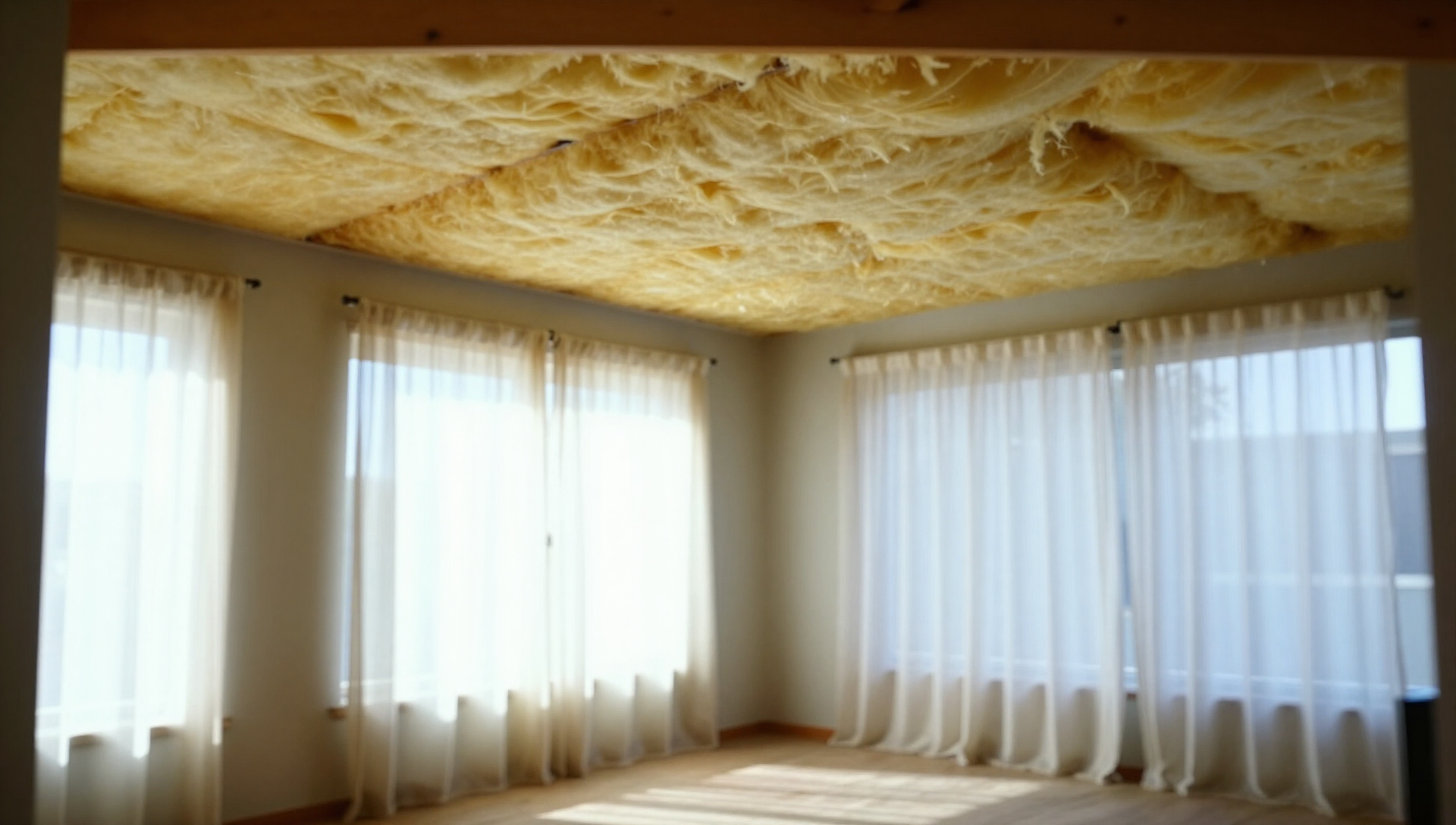
Reservoir’s cold winters and hot summers mean your ceiling is the main path for heat loss and gain. Proper insulation in the roof space keeps your home warmer in winter and cooler in summer, reducing the load on heaters and air conditioners.
Bulk insulation traps still air, slowing heat transfer through the ceiling. This reduces the need for heating in winter and cooling in summer, cutting your energy costs year-round.
A well-insulated ceiling evens out temperature swings. Rooms stay warmer overnight in winter and cooler during heatwaves, improving comfort without constant thermostat adjustments.
Insulation helps regulate moisture levels in the roof space. By keeping the ceiling surface closer to room temperature, it minimises condensation that can lead to mould and structural damage.
Bulk batts also absorb sound, reducing noise from rain on the roof and external sources. This is particularly noticeable in Reservoir’s older homes with metal roofing.
Quality glasswool or polyester batts retain their thickness and R-value over time if installed correctly. We ensure they are laid snugly between joists without compression or gaps.
We remove old dust and debris from the roof space before laying new batts. If we encounter suspect material, work stops until it is assessed by a qualified professional.
Installing ceiling insulation in Reservoir typically takes half a day for an average home. Access is via the manhole in the roof space, so we need clear entry and a safe working area.
We check the condition of the existing insulation, the spacing between joists, and any obstacles like cables, pipes or downlights. This determines the R-value and product that will fit best.
If your current batts are thin, compressed or damaged, we remove them along with any loose dust or debris. This ensures the new insulation sits flat and performs as intended.
We cut batts to fit snugly between ceiling joists, butted up without gaps or compression. We maintain the required clearances around downlights, flues and electrical cables to meet safety standards.
After installation, we verify coverage and R-value consistency. We then vacuum any remaining dust and seal the manhole to leave your roof space clean and tidy.
Reservoir has a mix of postwar brick homes and older weatherboard houses, many with accessible roof spaces. These properties often have minimal or degraded ceiling insulation, leading to high heating costs in winter. Upgrading to modern glasswool or polyester batts with an R4.0 to R6.0 rating delivers immediate comfort and savings. Nearby Preston and Thornbury share similar housing stock, so the same principles apply.
Stop winter heat loss through your ceiling with expertly installed batts in Reservoir.
Homeowners in Reservoir often ask about R-values, access and whether their existing insulation is still effective. Here are the key details.
Ceiling insulation in Reservoir targets the primary source of heat loss in most homes. In winter, warm air rises and escapes through uninsulated ceilings, forcing heaters to work harder. In summer, radiant heat from the roof penetrates down, increasing cooling demand. Bulk insulation like glasswool or polyester batts slows this heat transfer, keeping indoor temperatures stable and reducing energy use.
For Reservoir homes, we recommend ceiling R-values between R4.0 and R6.0 for optimal thermal resistance. The exact choice depends on your budget, roof space depth and whether you are topping up existing batts. Glasswool is a cost-effective option with good thermal and acoustic properties, while polyester is non-itch and often preferred for allergy sufferers. Both require correct installation to avoid gaps or compression that reduce performance.
Signs your Reservoir home needs ceiling insulation include cold drafts near the ceiling, high heating bills, or visible gaps or thin batts in the roof space. If your insulation is old, compressed or damp, it will not be performing at its rated R-value. We can inspect your roof space and advise on the best upgrade, including removal of old material and dust extraction if needed.
Call Expert Insulation Melbourne on 0399695249 or email info@expertinsulationmelbourne. com. au to discuss ceiling insulation for your Reservoir home.